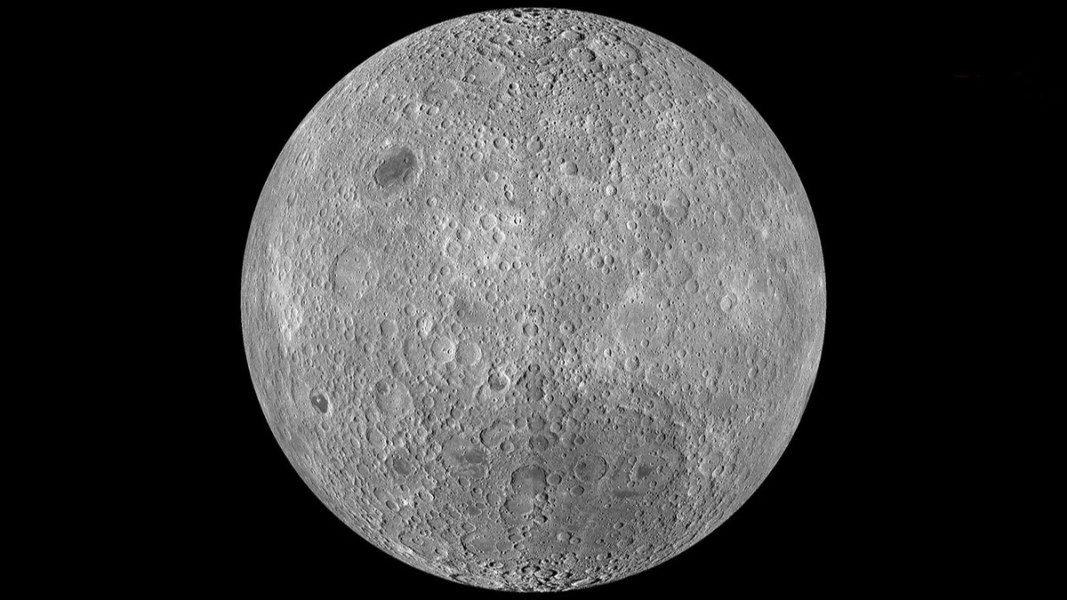
Scientists at BIT Mesra in Ranchi, with support from the Indian Space Research Organisation, have developed a new artificial intelligence tool capable of accurately identifying and analyzing craters on the Moon. The innovation is expected to strengthen lunar research and support future space exploration efforts.
The newly developed system uses advanced artificial intelligence techniques to study the Moon’s surface in greater detail. Researchers say the technology can precisely detect lunar craters and provide valuable information about their characteristics. By examining crater structures, the tool can help estimate their age and measure their dimensions with improved accuracy.
Understanding the size, shape, and age of craters is considered important for studying the geological history of the Moon. The data generated through the system can assist scientists in gaining deeper insights into how the lunar surface has evolved over time.
Another major advantage of the technology is its potential role in future space missions. Researchers believe it can help identify safer landing locations for spacecraft by analyzing surface conditions and crater distribution patterns.
The development highlights the growing role of artificial intelligence in space science and demonstrates how advanced technologies can support future lunar exploration and scientific discovery.


















0 Comments