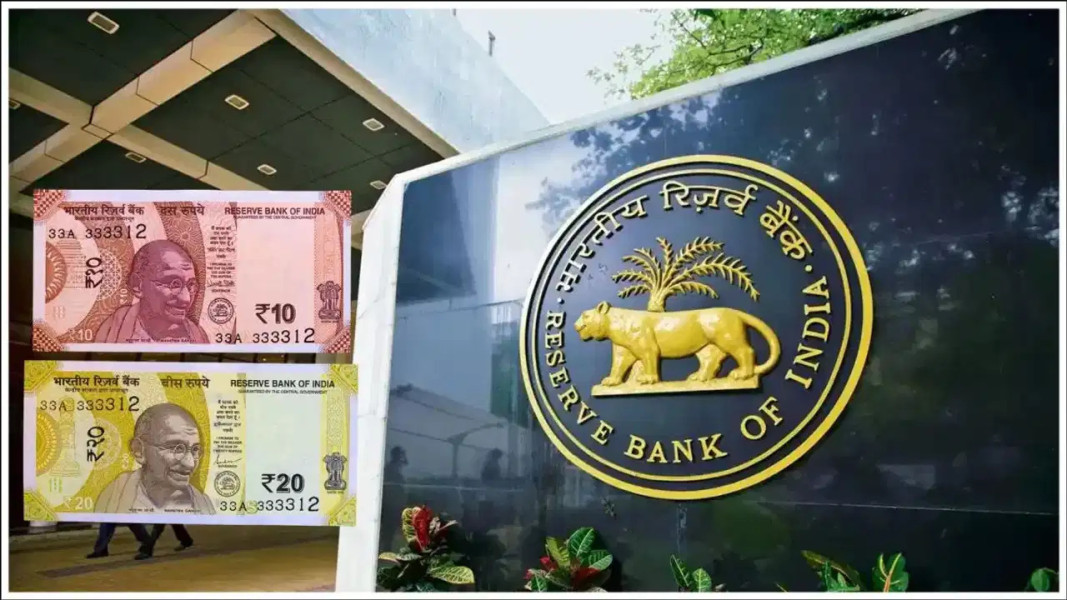
The Reserve Bank of India is planning to introduce polymer-based currency notes as part of efforts to improve the durability and efficiency of the country’s currency system. The proposed notes are designed to be more resistant to tearing, moisture, and general wear compared to traditional paper currency.
According to available information, the central bank is considering a pilot project involving ₹10 and ₹20 denomination notes. These lower-value notes are expected to be used initially to assess the performance and durability of polymer currency under everyday conditions.
Polymer notes are widely used in several countries because of their longer lifespan and stronger resistance to damage. Unlike conventional paper notes, they can withstand repeated handling and exposure to water, helping them remain in circulation for a longer period.
Officials believe the move could also help reduce the long-term costs associated with printing and replacing damaged currency. By increasing the life of banknotes, the Reserve Bank aims to improve the efficiency of currency management across the country.
The proposed pilot project marks another step toward modernizing India’s currency system while focusing on durability, cost efficiency, and better public use of banknotes in the future.


















0 Comments