T.N. Minister Senthilbalaji's detention | Madras High Court petition disputes Governor's jurisdiction to stay his dismissal order
The Forecast 2 years ago Tamil Nadu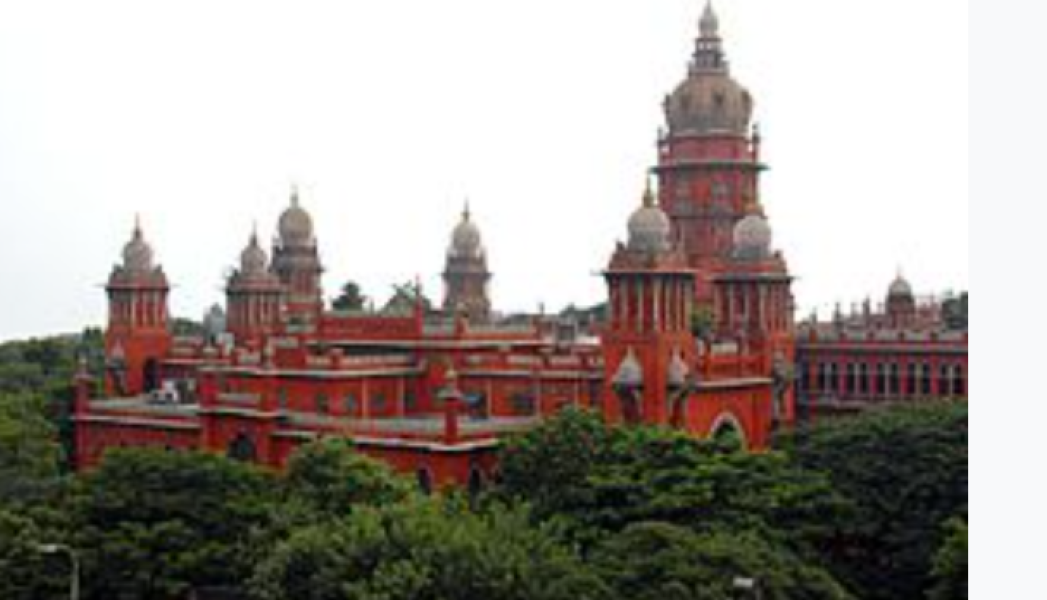
A new public interest litigation petition has been filed in the Madras High Court, challenging Tamil Nadu Governor R.N. Ravi's authority to withhold his order dismissing arrested Minister V. Senthilbalaji from the Council of Ministers, following his arrest by the Directorate of Enforcement (ED) on June 14 in a money laundering case, and his subsequent judicial custody.
Chief Justice S.V. Gangapurwala and Justice P.D. Audikesavalu heard the new case along with three other petitions already filed questioning the authority of the arrested Minister, who is now recuperating in a private hospital in Chennai after undergoing a beating heart coronary artery bypass surgery on June 22, to continue in the Cabinet without any portfolio.
Senior Counsel V. Raghavachari, representing one of the petitioners, stated that the litigants had no objections to Senthilbalaji's continued membership in the Legislative Assembly because the Representation of the People Act, 1951 provides for disqualification only if a legislator is convicted in a criminal case and sentenced to two or more years in prison. He clarified that the claimants were simply opposed to Mr. Senthilbalaji's continued membership in the Council of Ministers, and that too without a portfolio, despite being charged with moral turpitude and being arrested by the ED. "How can there be a Minister without a portfolio when a Minister is expected to perform a public duty?" the senior lawyer pondered.
According to counsel K. Sakthivel, who is representing M.L. Ravi of the Desiya Makkal Sakthi Katchi, who filed the current PIL petition, the High Court heard the earlier PIL applications filed against the Minister on June 26 and adjourned the hearing till July 7, 2023.
Meanwhile, on June 29, 2023, Governor R.N. Ravi issued an order firing the Minister. However, just hours after issuing the dismissal order, the Governor reversed his decision and suspended it. He also decided to seek the view of the Attorney General on the matter, as urged by Union Home Minister Amit Shah. Mr. Sakthivel objected to this judgement, claiming that the Governor lacked the right to suspend his own order.
“When the Governor issues an order, he becomes functus officio (he has no more official authority). The Governor has no authority to review, revoke, or keep his order in abeyance, according to the Constitution. Mr. Sakthivel stated that the Governor is a constitutional authority who is not subordinate to the Centre.
When the Chief Justice queried if the High Court was empowered to issue directions to the Governor under Article 226 (its writ jurisdiction) of the Constitution and asked for precedents, Mr. Sakthivel requested time to circulate the judgements on the matter. As a result, the Bench deferred the hearing for a week.
The Chief Justice also asked Advocate General R. Shunmugasundaram to submit to the authorities by next week.

















0 Comments