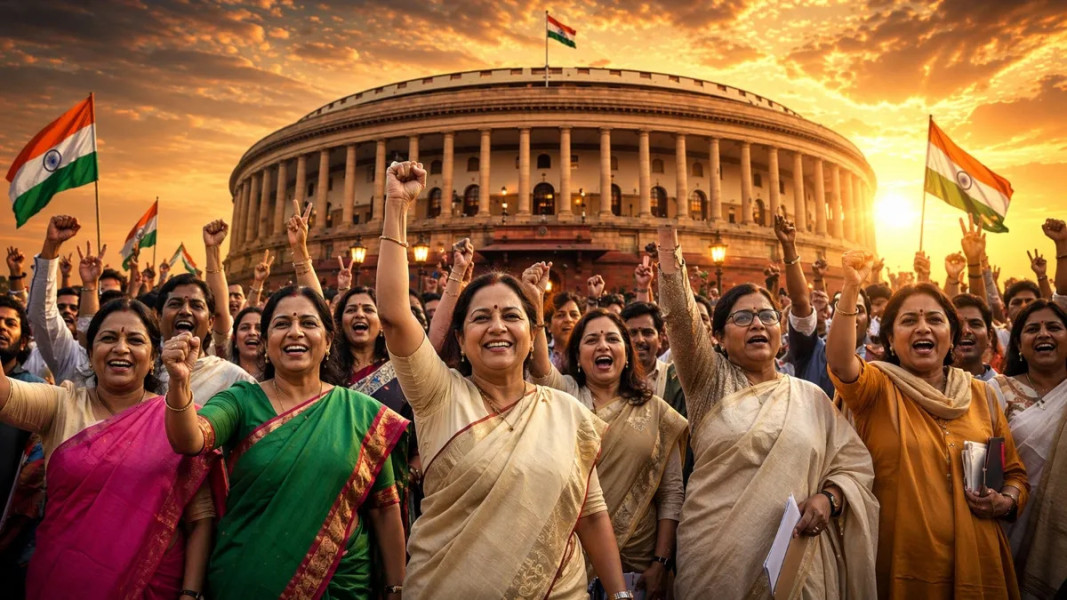
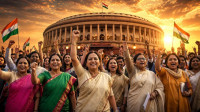
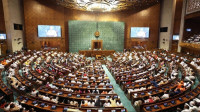
The Women’s Reservation Act, 2023, marks a major step in strengthening democracy by ensuring 33% reservation for women in the Lok Sabha and State Assemblies.
Introduced under the leadership of Prime Minister Narendra Modi, the law aims to move women from being beneficiaries of welfare to active participants in governance. It is expected to expand representation and bring new perspectives into political decision-making.
However, the implementation of the Act depends on the timely completion of the Census and the delimitation process, making it an institutional challenge. The success of the reform will also depend on how political parties and public discourse adapt to these changes.
The Act is expected to widen the social base of democracy and improve governance by including diverse viewpoints. It may also encourage political parties to identify and promote new talent, moving beyond traditional systems based on family, caste, and networks.
With more women in legislatures, issues such as public services, safety, and welfare may receive greater attention. The law is seen as a significant move towards a more inclusive and balanced democratic system.













0 Comments